

AFRICAN & MIDDLE EAST NEWS
-
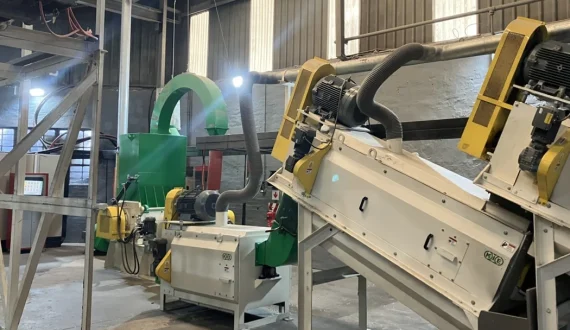
Tetra Pak invests US$1.18M in Johannesburg carton recycling machine
The machine—run by Unique Timber Plastics in Johannesburg’s Heriotdale industrial area, removes plastic and aluminium layers from used cartons, producing pellets reused as industrial inputs.
-
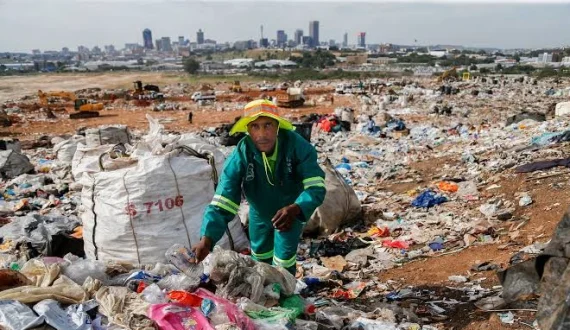
Johannesburg launches recycling sorting facility at Robinson Deep Landfill site
Polyco, a Pikitup stakeholder and non-profit for SA plastic recycling, pledged machinery to improve productivity and efficiency of on-site collection/sorting cooperatives.
-
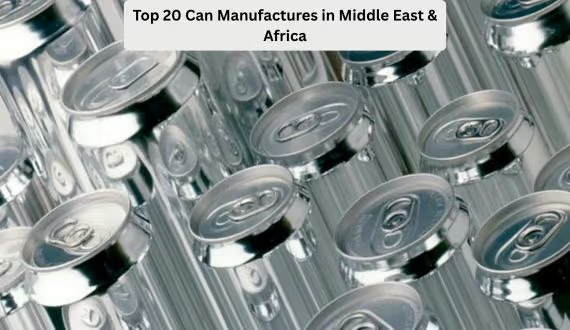
Top 20 can manufacturers in Africa & Middle East
Africa’s can manufacturing sector is expanding alongside wider packaging demand. According to Mordor Intelligence, the Middle East and Africa metal cans market is projected to…
-
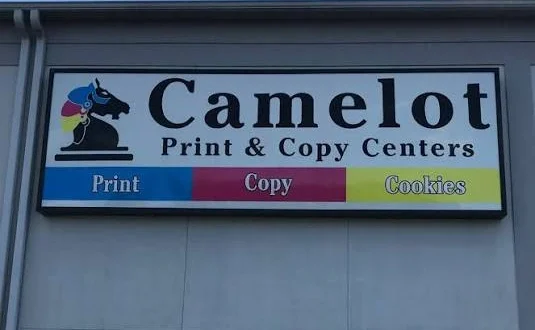
Camelot revenue rises 31.5% as flexo printing leads growth in FY2026
Camelot’s GH¢36.97M ($3.57M) revenue demonstrates specialised printing’s outsized returns potential in emerging African markets, particularly with expanding consumer goods.
-
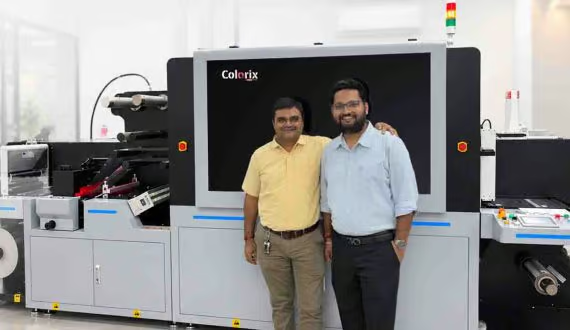
Colorix installs second Jetrix digital press in India at Artisan Venture
With shorter runs, faster turnarounds, SKU growth, and premium aesthetics driving demand, hybrid digital production is increasingly key for label makers, a shift reflected in Artisan Venture’s investment.
-

NASENI unveils plan for Nigeria’s first metal additive manufacturing hub
Powder recovery and recycling lets unused and residual metal powders be reprocessed, lowering waste and input costs and supporting circular flows on-site.
-

Arridex expands 3D printing network into Ghana, targeting recycling growth
Arridex CEO Kayode Adeleke noted that African industry stops not due to insufficient ambition or talent, but because critical parts for legacy equipment are lacking, calling the initiative the launch of a borderless manufacturing network to rewrite continental manufacturing and maintenance.
-
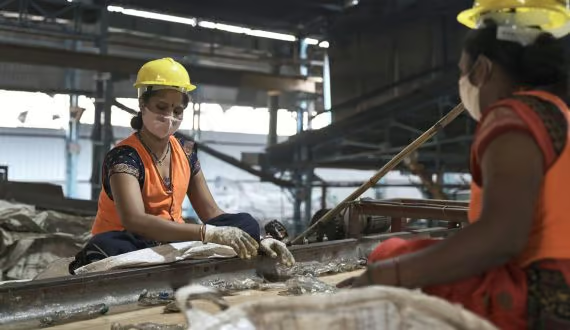
Circulate Capital invests US$9.5M in Indian plastics recycler JC Global
The growth programme includes expanding recycled polyolefin output, PP, HDPE, and ABS resins. JC Global also plans new Tamil Nadu plants and chemical recycling capacity to recover residual plastics from mechanical recycling.
-

PAKPRO, Kenya scouts launch recycling programme in schools
A quarterly paper and carton take-back programme is part of the initiative, targeting school-generated items like exercise books, exam papers, and packaging.
-
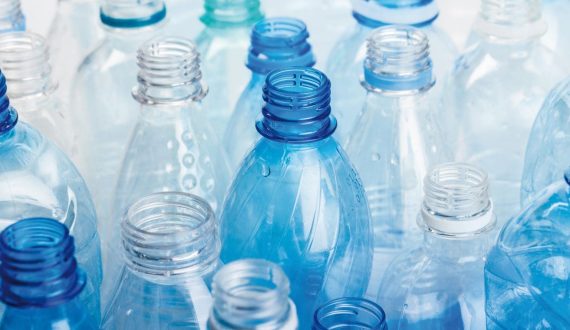
August Market Watch: PET prices diverge across regions as packaging demand shifts
With sustainability a persistent structural driver, recycled PET is growing in packaging and textiles; regional supply and demand rest on collection infrastructure, recycling capacity, regulation, and brand pledges.