

Regulation & Policy
-

Ethiopia deploys cameras in breweries, bottling plants to curb tax evasion
Real-time cameras track production, exits, and transport remotely, providing the Ministry with direct digital visibility across factory floors.
-

Ghana’s EPA: Styrofoam ban signals wider plastic crackdown
EPA’s Professor Ayamga-Adongo cautioned importers against fresh styrofoam orders, warning that post-deadline consignments will be confiscated and legal action taken.
-

Kelpi’s seaweed coating clears FDA for US food packaging market
The approval clears a key regulatory hurdle for US commercial partners, enabling the company to advance development toward launch with certainty over the coating’s food-contact status.
-

Nestle seeks industry consultation on India’s front-of-pack food labelling rules
The front-of-pack labelling debate reflects a wider global trend, countries including Mexico, Chile, and Brazil have already introduced mandatory warning labels on packaged foods.
-

Unilever gets 3-month extension to change Sunlight platinum packaging
The June 2026 ruling found Unilever’s “100% plant-based actives” front-of-pack claim breached Clause 4.2.1 of the Advertising Code’s Section II, which addresses misleading advertising.
-

PPWR affects 93% of UK manufacturers as new EU packaging rules take hold: Sapio Research
A Sapio Research study for Advanced Supply Chain across homeware, fashion, electronics, and footwear found 16% of businesses have already adapted packaging for the new rules that came into force on 12 August 2026.
-

EMF to co-design UAE’s national textile recycling, circularity framework
The Ellen MacArthur Foundation–UAE collaboration will advance the country’s circular economy goals, cutting waste, boosting recycling, and building sustainable industries across sectors.
-

NAFDAC enforces sachet alcohol ban with fines, factory closures, product recalls
Adeyeye: firms must recall banned drinks nationwide, report to NAFDAC, and destroy recovered stock under NAFDAC oversight, at their cost.
-
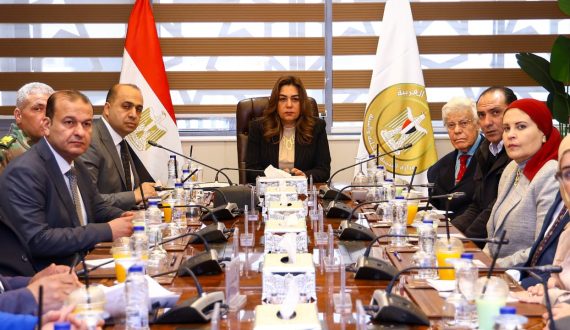
Egypt prepares EPR packaging waste rules with new WIMS registration platform
This decree mandates plastic bag producers/importers to register and declare volumes on the waste system, laying the foundation for a financial contribution scheme to cover waste management.
-

Jordanian environment ministry signs recycling MoU with Far East Projects
The memorandum falls under the National Cleanliness and Anti-Littering Strategy’s executive program, which aims to build an integrated waste management system and strengthen ties with the private sector and civil society.