

Regulation & Policy
-

Tunisian lawmakers propose single-use plastic bag ban with 50-micron reusable standards, fines
The bill permits only two types of packaging: reusable bags with a minimum thickness of 50 microns, capable of carrying 10 kilograms and lasting at least 20 use cycles, and biodegradable bags that must degrade by 90 percent within six months.
-
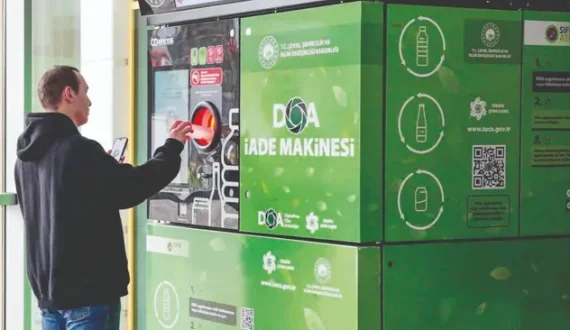
Türkiye’s DOA deposit recycling scheme returns 7.6M containers in five days, aims for 25B yearly
Interest in the initiative has led to long queues forming at deposit return machines in Istanbul and several other provinces as people brought bags of used plastic bottles, glass bottles and aluminum cans to be processed one by one.
-

PackUK’s RAM 2027 packaging recycling ratings set UK EPR fees from January
RAM 2027 applies only to packaging placed on the UK market between 1 January and 31 December 2027, with producers continuing to use RAM 1.1 for 2025 and 2026 reporting periods.
-

EU’s fuel-exempt chemical recycling rules set PET packaging content calculation framework for single-use bottles
The rules aim to improve transparency in calculating chemically recycled PET, level the playing field, and secure the plastic recycling industry, which faces mounting pressures from cheap virgin plastic imports and high energy costs.
-

China’s new express packaging standard caps non-fragile goods at two layers, seeks 45mm tape width limit
This marks the first time China has legislated binding limits on how couriers package items for delivery.
-

Türkiye’s new DOA deposit system targets 25B annual recyclable containers with refund
Refunds are deposited directly into users’ digital wallets via the DOA mobile app, from which funds can be transferred to bank accounts, withdrawn from ATMs, or used for purchases at participating retailers.
-

EU proposes 15% aluminium scrap export tax to tackle 1.27MT recycling deficit
European aluminium producers have emphasized that maintaining domestic recycling capacity is increasingly important as governments seek secure supplies of metals for defence applications and clean energy technologies.
-

Saudi Arabia’s new packaging labelling rules propose US$267 fines for labelling violations
The proposed regulations explicitly require invoices to contain a brief description of the product or service, which must align with information printed on product packaging, reinforcing the connection between labelling accuracy and consumer rights.
-

Dubai’s four-month scrap metal recycling export ban targets iron, copper, aluminium
The export prohibition comes as the UAE intensifies efforts to build domestic metal recycling and processing capacity.
-

Recyda’s new PPWR Navigator platform automates declarations for packaging compliance, documentation
The platform connects with existing internal systems via API, automatically identifies data gaps, compliance risks and missing information across thousands of SKUs, and enables bulk generation and export of documentation simultaneously.