
Regulation & Policy
-
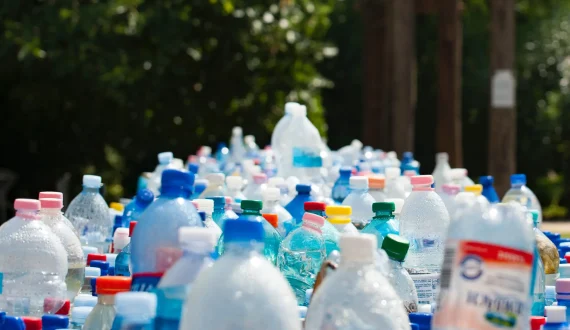
California’s US$10M bottle deposit grant expands CRV redemption sites with mobile, bag-drop services
The investment builds on California’s broader sustainability agenda including SB 54, which establishes an EPR program for packaging and single-use plastic foodservice ware set to take effect on 1 January 2027.
-
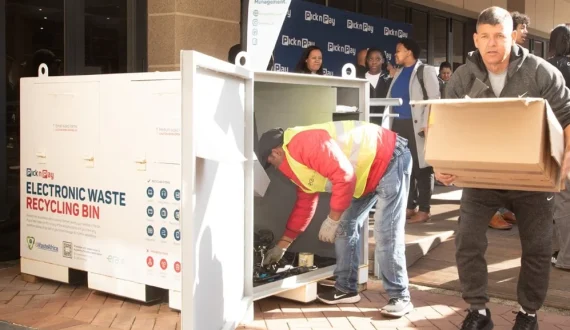
Pick n Pay, EWaste Africa recycling partnership deploys 95 in-store drop-off points in South Africa
Consumers can deposit unwanted devices into specialized containers with no prior booking, handling fees, or paperwork required.
-

Oman’s fifth plastic bag ban phase targets furniture, gold, auto dealerships from July 1
The Environment Authority has called on business owners and consumers to comply and expand the use of sustainable alternatives such as cloth or paper bags.
-

Ghana plastic manufacturers demand US$95M bailout or 2030 deadline for polystyrene ban
GPMA President Ebbo Botwe stated in a petition to the EPA that the sector’s capital investments in plants and machinery total GH¢1.493 billion (US$95 million), which would be rendered obsolete under the current timeline.
-

MAN opposes NESREA’s 80-micron single-use plastic ban over job, investment risks
MAN cited international experience, noting that Kenya’s 2017 ban on thin plastic bags led to factory closures and job losses, yet banned bags continue to circulate through smuggling and cross-border trade.
-
FSSAI announces metallic pins ban targeting hidden injury risks in sweet boxes, cake packaging
The directive states that all food business operators must discontinue the use of metallic pins, wires or any similar materials for sealing, fastening, securing or packaging any food item, bakery product, takeaway meal, snack packet or food parcel.
-
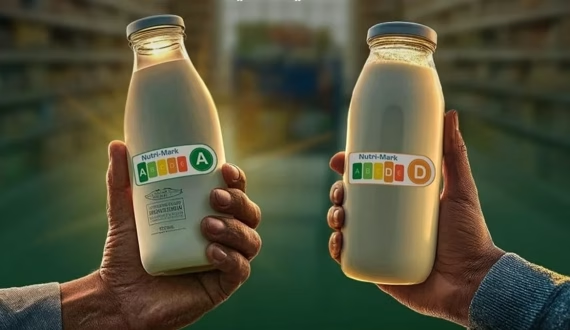
Abu Dhabi’s new A-to-E Nutri-Mark packaging labels help shoppers easily scan food products
The initiative, first of its kind in the Middle East region, follows agreements between the Council and four major retail chains that will exclusively implement the system on their packaged products.
-
Amcor’s UK flexible packaging gains RecyClass certification as April 2027 tax rule looms
Amcor’s RecyClass certification for PCR-containing products provides third-party verification that the PCR content is traceable and meets the standard, supporting customers’ tax compliance claims.
-

SMEDAN AfCFTA packaging reform targets Nigerian MSME export readiness
The initiative will run for six to twenty-four months, with measurable milestones for each participating business.
-

GAIA European patent confirms PLA-free film extrusion for GCC markets
A typical GCC-based packaging manufacturer currently pays approximately AED 3,850 (US$1,048) per metric ton for conventional plastic resins, while GAIA’s PLA-free compounds are available at comparable or lower price points.