

Regulation & Policy
-

Pakistan’s DRAP mandates 2D pharma barcode system for smartphone-verifiable packaging
Once operational, consumers will be able to verify medicine authenticity by scanning the 2D barcode with a smartphone, accessing product information including expiry date, usage instructions, and official retail price.
-

IDFA seeks SB 54 dairy plastics exemption as CalRecycle rules face food safety conflict
CalRecycle’s draft regulations have broadened exemptions for FDA- and USDA-regulated packaging, including dairy products, raising concerns that the law could lose up to half its funding.
-

Norner’s new PFAS screening tool targets PPWR compliance with 50 ppm organic fluorine threshold
The PPWR sets three-tier PFAS limits for food contact packaging from 12 August 2026: 25 ppb for any individual PFAS, 250 ppb for the sum of PFAS, and 50 ppm for all PFAS including polymeric PFAS.
-

India’s new pharma packaging registration rules target counterfeit drug supply chain
Under the proposed framework, each manufacturer of printed pharmaceutical packaging will be required to obtain a registration certificate and a unique registration number through a government portal, which will be printed on every pharmaceutical package.
-
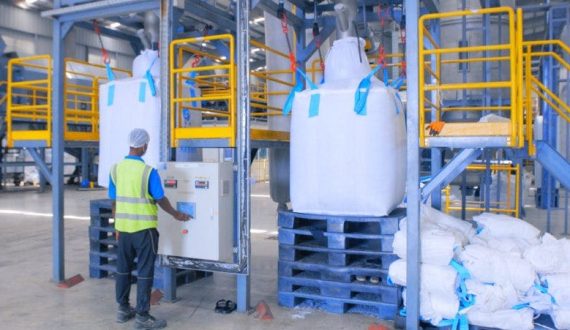
Nigeria’s 25-50% local rPET mandate from 2028 to drive domestic recycling, packaging reform
The requirement for locally sourced recycled PET, from certified food-grade producers, is specifically intended to grow Nigeria’s domestic collection and recycling capacity, support local recyclers and reduce dependence on imported alternatives.
-
EU’s BPA food packaging ban takes effect July 2026 with 2028 extension for acidic canned goods
A transition period lasting until 20 July 2028 applies to single-use food contact articles using varnishes and coatings manufactured with BPA, particularly packaging for preserving fruits, vegetables and processed fish products where acidic contents require BPA-based internal coatings to prevent metal corrosion.
-

UAE’s Nutri-Mark labelling, packaging system goes digital with TAMM app for A-to-E food grading
Consumers can now scan Nutri-Mark QR codes on packaging using the TAMM app, the official digital hub for Abu Dhabi government services.
-

NESREA’s plastic packaging regulations defended as 25-50% rPET mandate reshapes Nigerian policy
NESREA confirmed the regulations would not impose immediate disruption, with mandatory recycled PET content beginning at 25 per cent on 1 January 2028 and increasing to 50 per cent from 1 January 2030.
-
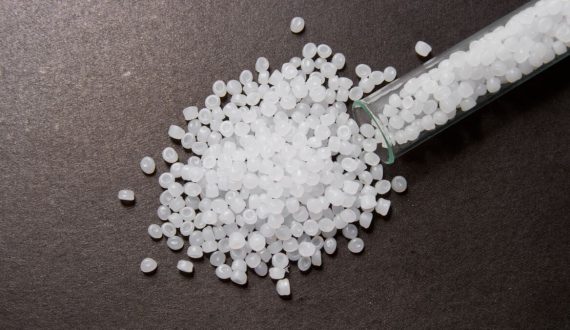
India extends US$200.66/MT PET resin anti-dumping duty on Chinese imports for five years
The authority found that imports from China continued to rise at a substantial pace despite the existing duty, while Chinese imports continued to undercut domestic prices, affecting profitability and competitiveness of Indian producers.
-
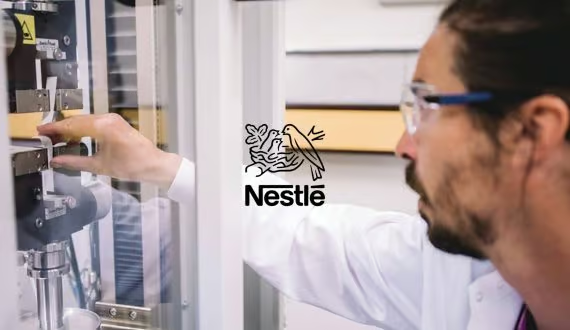
Nestlé, Interzero, 16 partners target 15% EU flexible plastic recycling rate with InFACT project
The project aligns with tightening EU Packaging and Packaging Waste Regulation requirements for recyclability and recycled content, which are driving significant innovation across the packaging sector.