

Investments & Funding
-
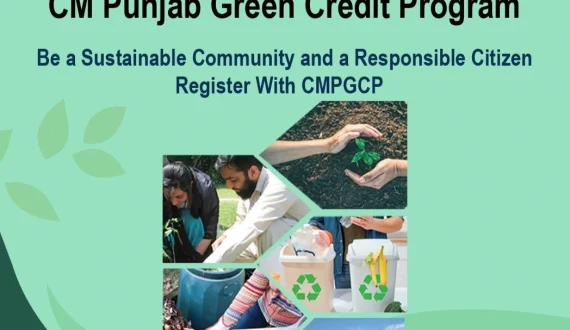
Punjab’s new Green Credit Programme pays US$35.62 for plastic bottle recycling
By tying household waste directly to industrial recycling, the initiative gives residents a real incentive to segregate and return packaging rather than throw it away.
-
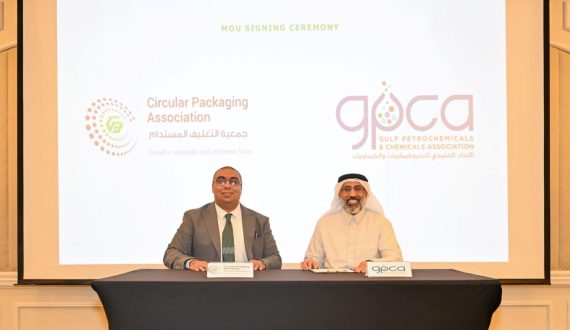
CPA, GPCA sign MoU to advance packaging circularity in GCC
The two bodies will cooperate on policy, knowledge, advocacy, and capacity building, including joint dialogues, research, and workshops.
-
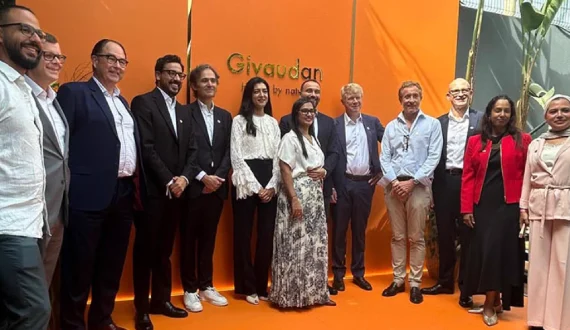
Givaudan opens Casablanca center to advance fragrance packaging development
This expansion affects packaging across the center’s home and personal care segments—where fragrances demand protection against volatile-compound degradation and scent loss over shelf life.
-
Luxembourg court halts Ardagh sale of metal packaging unit
Ardagh Holdings, denied a chance to present its case beforehand, called the application meritless, and is challenging the order while seeking its withdrawal.
-

Veritiv launches compact cold chain packaging for pharmaceuticals
Holding four 10ml vials with a custom phase-change bottle for temperature control, the 240g pack’s slim design boosts storage density and reduces dimensional-weight shipping charges.
-

Greif to close Sweetwater Mill, exits coated recycled paperboard sector
This exit reflects wider paper packaging consolidation, as producers focus on core products to improve returns amid input-cost swings and shifting brand demand.
-
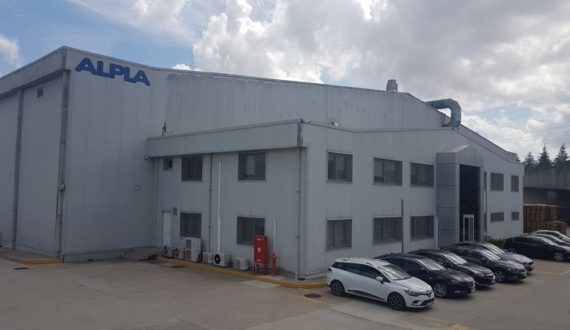
ALPLA opens two packaging plants in Türkiye to expand MEA capacity
Izmir covers the Aegean/western Türkiye and Adana the Mediterranean/south-east, together enabling short lead times, flexibility, and reliable consumer goods supply.
-
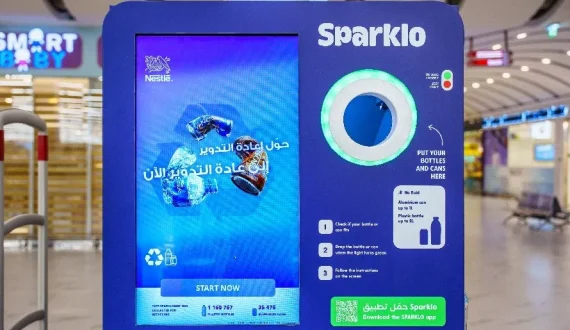
Majid Al Futtaim, Nestlé, Sparklo partner to cut 200T of CO2 emissions via recycling push
Integrating smart recycling into daily destinations makes it simpler, more accessible, and more rewarding, while extending material circulation.
-
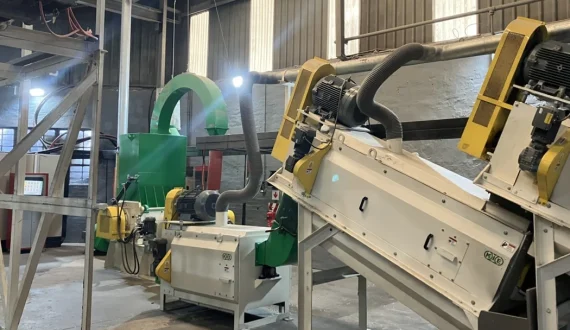
Tetra Pak invests US$1.18M in Johannesburg carton recycling machine
The machine—run by Unique Timber Plastics in Johannesburg’s Heriotdale industrial area, removes plastic and aluminium layers from used cartons, producing pellets reused as industrial inputs.
-
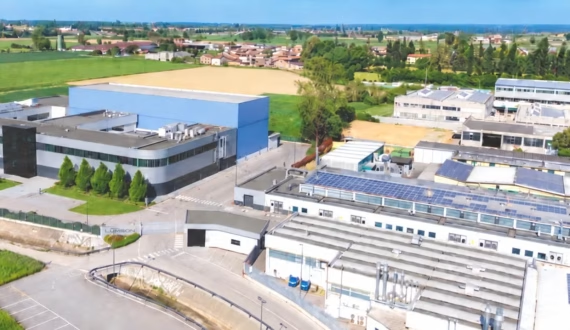
Lumson acquires Lombardi units to strengthen global packaging footprint
With the US acquisition and Lumson’s Asian position, the group’s international beauty/personal care packaging scale grows, deepening North American customer ties while Lombardi Design & MFG bolsters wider APAC presence.