

Kenya’s EU exporters face 45-day stock dilemma as PFAS ban takes effect
The Shippers Council of Eastern Africa warns the rules impose extra compliance burdens on exporters using imported packaging whose chemical makeup may not have been audited before.
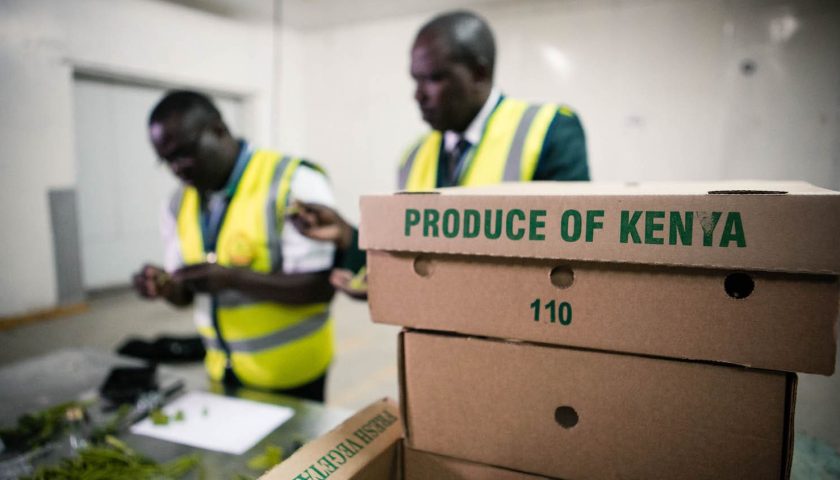
KENYA – Kenya’s horticulture exporters have entered a 45-day grace period to clear non-compliant packaging from EU-bound supply chains following the 12 August 2026 PFAS ban, with KEPHIS now requiring Declarations of Conformity for all food-contact packaging and exporters scrambling to test materials at accredited laboratories.
The Kenya Plant Health Inspectorate Service (KEPHIS), which processes over 180,000 phytosanitary certificates annually for EU-bound exports, is now requiring exporters to submit European Declarations of Conformity confirming their packaging meets the new PFAS and heavy metal limits.
Laboratory testing costs range between €250 (US$280) and over €1,000 (US$1,120) per packaging sample, with exporters also facing registration fees of €179 (US$200) to €1,000 (US$1,120) per EU member state annually.
Exporters who fail to comply risk having shipments rejected at EU borders and could face fines of up to €200,000 (US$224,000) and trading bans.
Exports Face Squeeze as Compliance Costs Mount
The EU remains Kenya’s largest export destination, accounting for 21.7% of total exports in 2025, valued at KSh131.8 billion (US$1.02 billion), with vegetables, fruits, flowers, tea and coffee making up the bulk of shipments.
The new PPWR also requires packaging to be reusable or recoverable in an economically viable way, with targets to cut packaging waste per capita by 5% by 2030 and 15% by 2040.
The Shippers Council of Eastern Africa has warned that the rules add another layer of compliance for exporters relying on imported packaging materials whose chemical composition may not previously have been audited.
The PPWR sets strict limits on PFAS in food-contact packaging, with single PFAS substances limited to 25 parts per billion and total PFAS (including polymers) to 50 parts per million.
Horticulture Sector Faces Packaging Shift
Most Kenyan horticulture exports are packaged in cardboard boxes, cartons and paper sacks to preserve freshness during transit, and these materials now require full compliance certification.
Analysts expect the new rules to significantly affect smaller exporters, with Fred de Fossard of the Prosperity Institute warning that “by making compliance so expensive, the EU has made it highly likely that many small businesses will withdraw from exporting their products across Europe altogether”.
The European Commission has confirmed that exporters will not be required to recall or destroy packaging or goods already in the EU before 12 August, providing a limited window for existing stock.
Subscribe to our email newsletters that provide busy executives like you with the latest news insights and trends from Africa and the World. SUBSCRIBE HERE


Be the first to leave a comment