

Tunisian lawmakers propose single-use plastic bag ban with 50-micron reusable standards, fines
The bill permits only two types of packaging: reusable bags with a minimum thickness of 50 microns, capable of carrying 10 kilograms and lasting at least 20 use cycles, and biodegradable bags that must degrade by 90 percent within six months.
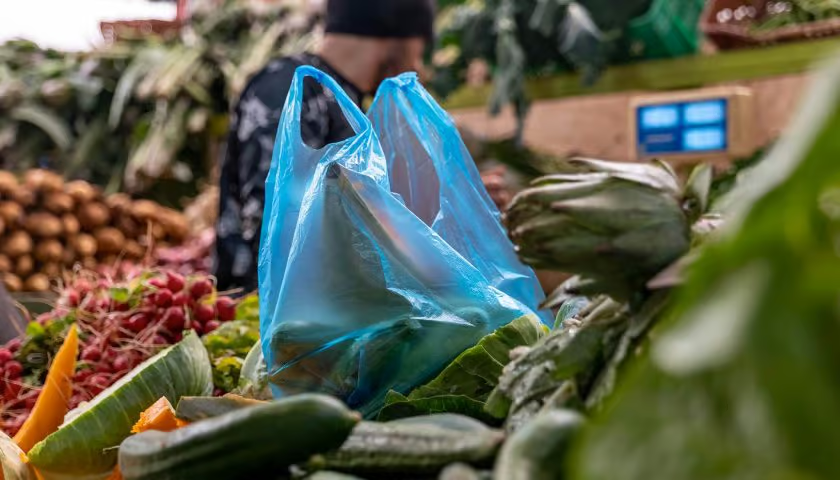
TUNISIA – Tunisia’s Assembly of People’s Representatives has proposed a 23-article bill to ban single-use plastic bags within 12 months, introducing 50-micron reusable packaging standards, offering subsidised loans for manufacturers, and imposing fines of up to 50,000 dinars (US$16,000) for violations.
The legislative initiative, introduced by 25 MPs and currently under review by the Industry, Commerce, Natural Resources, Energy and Environment Committee, targets the country’s annual consumption of 4.2 billion plastic bags, approximately 400 bags per citizen.
Tunisia generates about 188,000 tonnes of plastic waste yearly, with 60 percent not properly treated, while plastic constitutes over 80 percent of marine pollution in the Mediterranean basin.
If adopted, the proposal would supersede the existing 2020 government decree on plastic bags, which has largely failed to achieve its goals due to weak enforcement and the proliferation of informal imports.
Strict Technical Standards Define Allowed Reusable and Biodegradable Alternatives
The bill permits only two types of packaging: reusable bags with a minimum thickness of 50 microns, capable of carrying 10 kilograms and lasting at least 20 use cycles, and biodegradable bags that must degrade by 90 percent within six months under industrial conditions or 12 months domestically without leaving microplastics.
All permitted bags must carry clear labelling and meet international standards.
The proposal also establishes a mandatory technical control system for biodegradable bags, including regular laboratory testing and conformity certification.
MP Zafer Sağeri noted that most Tunisian factories currently lack the equipment to produce bags meeting these standards, highlighting the need for the proposed industrial support programme.
Extended Producer Responsibility and Penalties for Non-Compliance
The bill enshrines Extended Producer Responsibility, holding companies financially and environmentally accountable for their packaging throughout its lifecycle.
Violations carry fines ranging from 5,000 to 50,000 dinars (US$1,600 to US$16,000) with seizure of illegal products, and repeat offenses trigger doubled penalties and potential business closure.
Criminal liability, including six months to two years imprisonment, applies to illegal production or import of banned bags.
The state will provide subsidised loans and tax incentives to support manufacturers in converting production lines to eco-friendly alternatives.
The bill, currently under committee review, would supersede the existing 2020 government decree on plastic bags.
Subscribe to our email newsletters that provide busy executives like you with the latest news insights and trends from Africa and the World. SUBSCRIBE HERE
Be the first to leave a comment