

Ghana
-
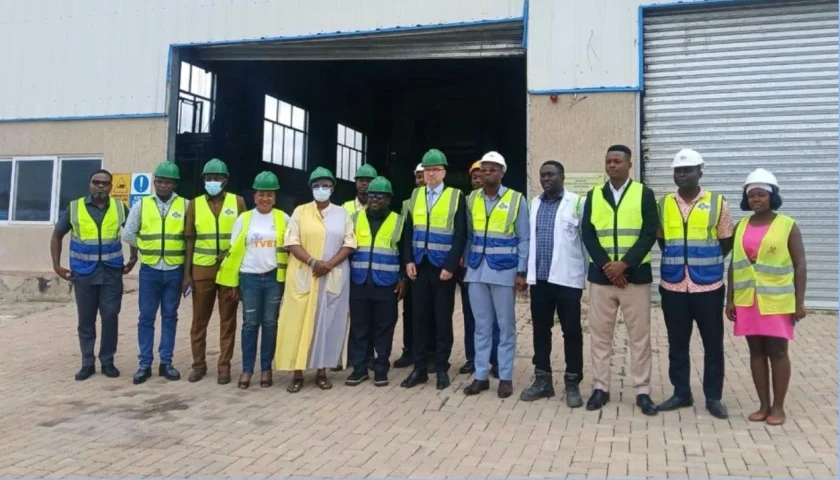
Ghana, Austria forge recycling, packaging waste partnership with US$33M SME investment fund
The training covers waste sorting, packaging recovery, and recycling equipment operation, giving participants the technical skills needed to handle Ghana’s rising waste volumes.
-
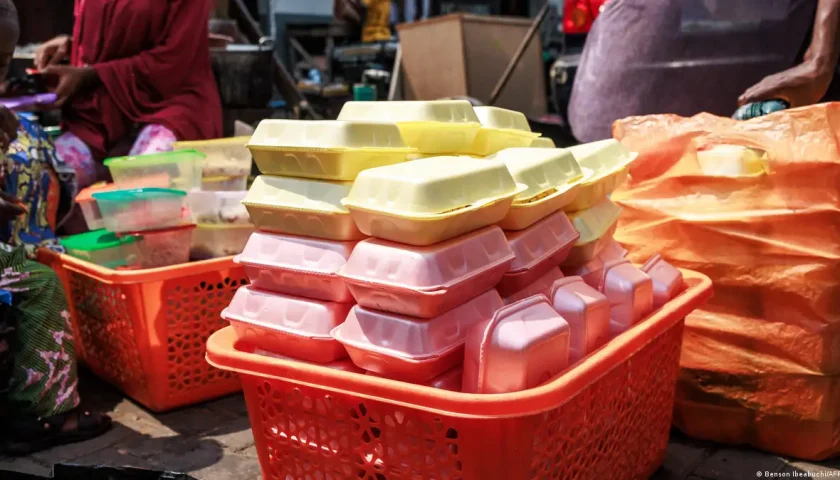
Ghana Medical Association demands comprehensive ban on single-use food packaging plastics for public health
If paired with affordable sustainable alternatives and proper enforcement, the broader ban would improve waste collection, recycling, and public education, while cutting plastic pollution and creating cleaner cities.
-

Ghana plastic manufacturers demand US$95M bailout or 2030 deadline for polystyrene ban
GPMA President Ebbo Botwe stated in a petition to the EPA that the sector’s capital investments in plants and machinery total GH¢1.493 billion (US$95 million), which would be rendered obsolete under the current timeline.
-

Turkish beauty brands target Ghana as West Africa production, packaging hub at Legacy Expo
For Turkish beauty brands facing saturated markets at home and currency volatility, Ghana offers a growing consumer base with increasing disposable income.
-

Ghana’s EPA announces nationwide ban on polystyrene foam products, including takeaway packs, disposable cups, from January 2027
The period leading up to the enforcement date will serve as a transition phase to allow manufacturers, importers, distributors, and users to gradually shift to environmentally friendly and sustainable alternatives.
-

Camelot Ghana’s US$2.46M revenue fuels 27% profit rise as security printing defies digital shift
Camelot’s revenue growth to GH¢36.97 million (approximately US$2.46 million) demonstrates that security printing and business forms remain resilient even as digital transformation accelerates across the continent.
-

Ghana’s printing industry gets upgrade with Canon wide-format technology
This positions technologically advanced print providers at the centre of this expanding market, enabling them to capture greater share of both advertising expenditure and commercial printing demand.
-

Ghana could generate US$4.5B annually by 2032 through waste management – ISSER
Ghana produces an estimated 1.1 million tonnes of plastic waste annually.
-

Ghana, UNIDO move forward with circular textile innovation centre to tackle waste and boost industry
The centre will provide laboratory testing and technical services to support textile sorting and classification.
-

Accra Metropolitan Assembly lands US$3M AfDB funding to boost climate-smart waste drive
The initiative aims to help Ghan boost its waste recycling and mitigate greenhouse emmissions.