

Agriculture & Food
-
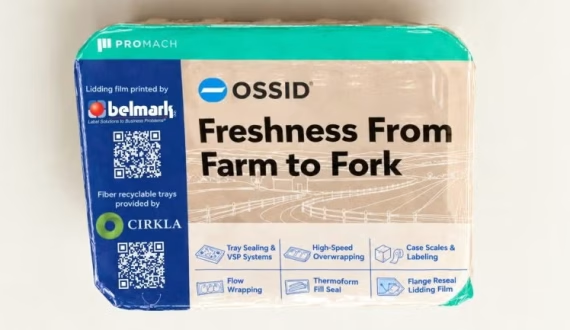
Cirkla, Belmark, Ossid launch resealable fibre food trays
Resealable fibre trays fill a food-sector gap, prepared meals and fresh produce need protective, resealable packs that cut plastic per retailer demands, if supply volumes and seal reliability hold at scale.
-
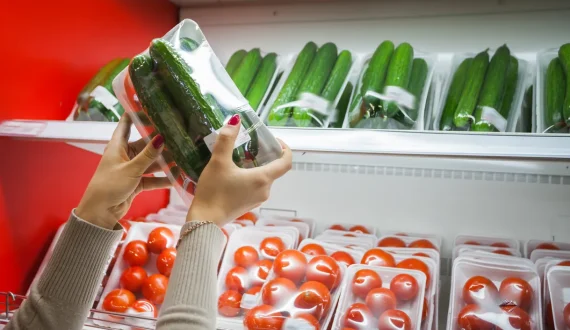
Norway seeks exemptions from EU plastic packaging ban for vegetables
Norwegian exemptions hinge on national shelf-life/distribution interpretation, demonstrable protection needs qualify; viable alternatives face full restrictions.
-
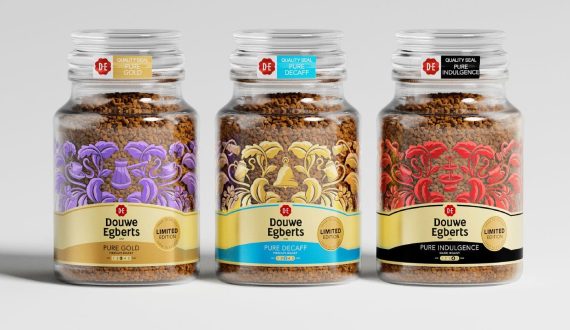
Douwe Egberts links coffee jars to local stories through QR codes
By connecting packaging to digital storytelling, QR codes drive consumer engagement beyond purchase, giving FMCG brands another differentiation tool in a crowded category.
-

Salalah Free Zone signs US$10M beverage packaging deal with Saudi firm
New complex: existing facility + expansion land; targets Oman, exports to Yemen and Africa, says chairman Alesayi.
-
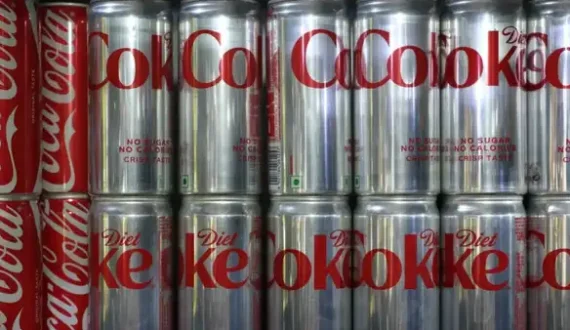
Aluminium cost pressure increases diet coke can costs by 40% in urban India
A mismatch between printed MRP and shelf prices suggests distributors are passing on costs the manufacturer hasn’t formally built into packaging updates.
-
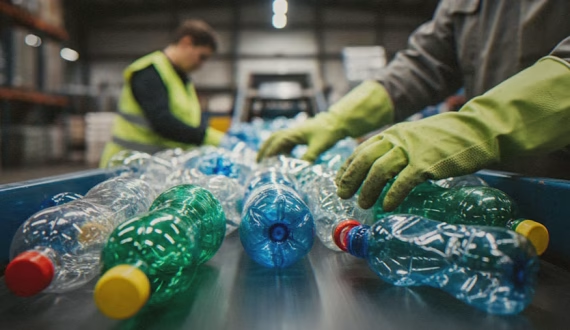
Algeria secures US$3M German export deal for plastic packaging
The deal moves Algeria beyond its traditional hydrocarbon and agricultural exports, positioning plastic packaging as a manufactured good that meets European buyer specs.
-
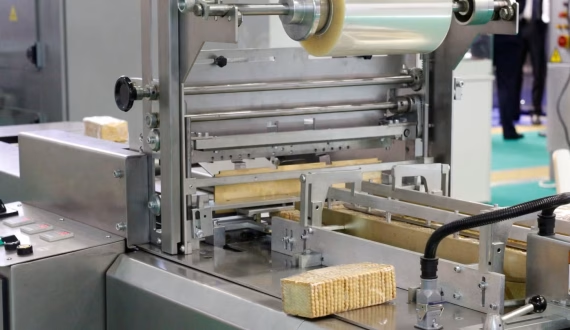
Evergreen by Novolex to launch SmartPour dry filling system, aiding packaging
The manufacturer says the apparatus offers speed, accuracy, and consistency for dry-ingredient packaging, addressing irregular filling volumes and preventing spillage on commercial packing lines.
-

Masterpress begins pouch production at Polish facility
Line links to existing flexo/digital presses, surface-printed paper/plastic goes straight to pouch assembly, no lamination/curing.
-
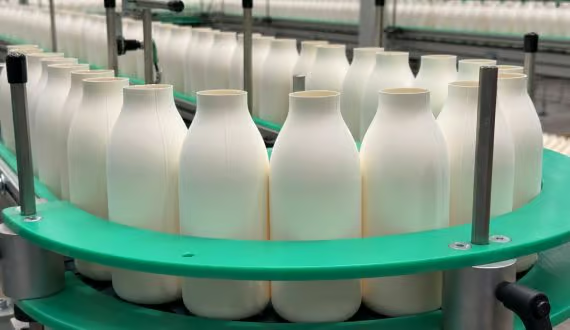
Pulpex opens Glasgow fibre-bottle plant with 40M unit capacity
The patented containers, manufactured from sustainably sourced wood pulp and free of concealed plastics, are structured for standard domestic paper and cardboard recycling streams.
-
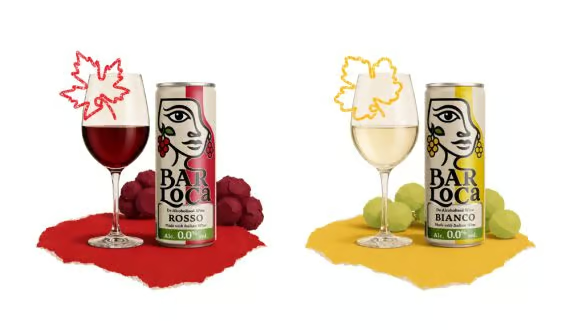
Ardagh supplies wine-specific cans for alcohol-free launch
BarLoca Bianco and Rosso are sold in a wine-specific semi-matt can, light- and air-blocking, with an interior lining that preserves wine quality and taste, per the packaging provider.