

Agriculture & Food
-

SA Plastics Pact sets 55% output recycling target, 20% virgin plastic cut for 2030
The new target measures what actually leaves the recycling facility to be made into new products, ensuring materials re-enter the economy.
-

Sainsbury’s new full on fibre labels hit 500 products as shoppers struggle to identify fruit as fibre source
The labelling uses the package’s surface area to educate shoppers who may not know which foods contain fibre.
-

UPM’s new label adhesives target pharma vials, wine ice buckets, industrial chemical drums
The adhesives are supported by pre-assessed performance data to support qualification and regulatory processes.
-

Greendot Biopak develops home compostable stretch film, cutting costs by 55% vs conventional plastic
The transition requires zero capital expenditure.
-

Fi Africa draws 16,000 attendees, premium packaging touted as MENA’s top purchasing driver
Premiumization today is not only about luxury aesthetics; consumers increasingly expect premium packaging to also deliver functionality, convenience, sustainability, and product protection.
-

Türkiye launches deposit return system paying per recycled container, targeting 90% collection rate
Reverse-vending machines will accept containers, scan the DOA logo, and dispense credit to the consumer’s digital wallet.
-

India mandates standard pack sizes for cooking oils
The nine permitted sizes are: 200 ml, 500 ml, 1 litre, 2 litres, 5 litres, 10 litres, 15 litres, and 20 litres.
-
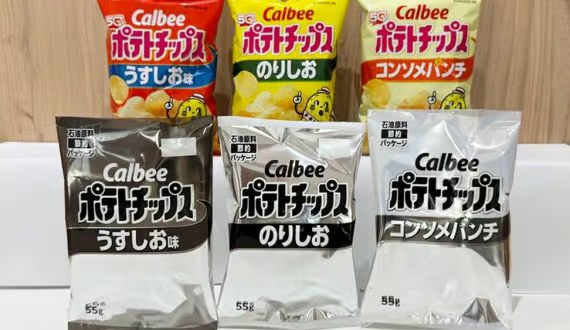
Japan’s snack bags go black-and-white as ink shortages force packaging rethink
The cost of petroleum-based materials has surged, prompting a broader reassessment of packaging, including efforts to reduce plastic use.
-
Over 120 companies urge EU to keep PPWR regulation on schedule for circular plastics value chain
the industry has been concerned that delays in this secondary legislation would leave packaging converters uncertain about how to comply, even as the 2030 deadlines approach.
-

Falconer develops cartonboard whisky pack with eight-panel structure, recessed centre, foil detailing
The pack is fully recyclable, and its one-piece design is delivered flat-packed, improving pallet use, reducing transport volume, and expediting assembly on the bottling line.