

Agriculture & Food
-
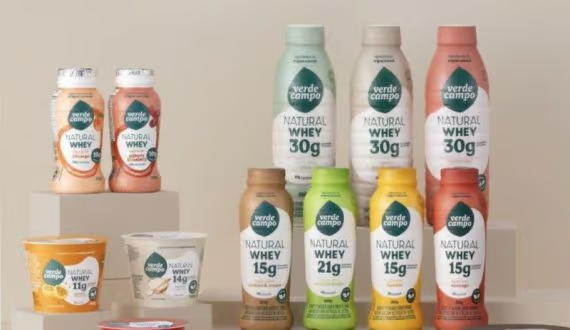
Verde Campo redesigns packaging in five-year strategic push
Bringing together clearer portfolio presentation, retail differentiation, and healthfulness visuals, the redesign leads into a five-year expansion: higher capacity, wider distribution, and continued innovation spend.
-
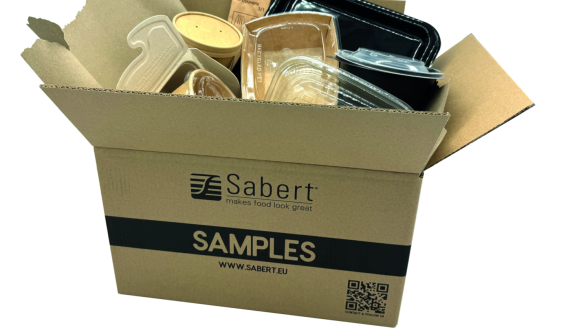
Butterfly acquires Sabert to expand sustainable food packaging portfolio
The acquisition advances Butterfly’s strategy of investing in food and beverage businesses, with packaging seen as a critical part of that ecosystem.
-
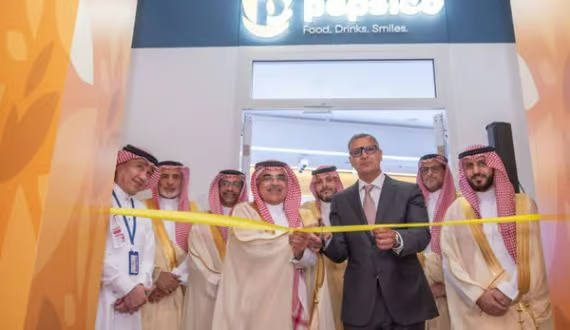
PepsiCo opens US$10M R&D hub in Riyadh to advance regional expansion, packaging
The Riyadh facility features dedicated packaging development and seasonings labs alongside quality testing, positioning packaging innovation as a core function, not a supporting one.
-
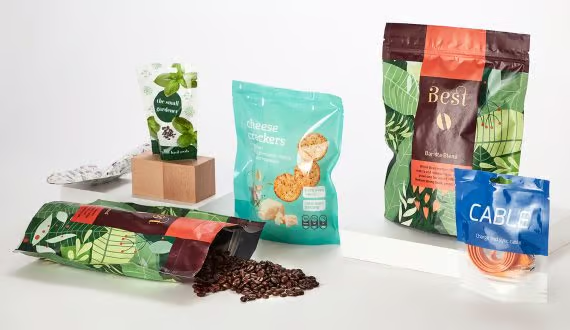
India flexible packaging market to reach US$58.29B by 2035: Market Research Future
FMCG growth in urban/rural India drives sachets, pouches, lightweight packs—especially in Tier-2/3 cities where affordability rules.
-

Guala Closures updates ALUSNAP Closure with new anti-counterfeit features
The revised ALUSNAP preserves its original structure but adds design and security features, notably Guala Closures’ dual glass-ball anti-refill valve system against unauthorised refills.
-
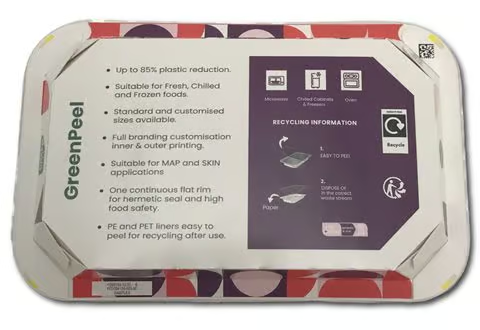
MM Packaging redesigns fibre tray for fresh protein packaging
The new design swaps the single-rim format for a revised rim, necessitating equipment and tooling changes, addressing a mechanical need that grows as fibre-based packaging gains ground in fresh protein.
-
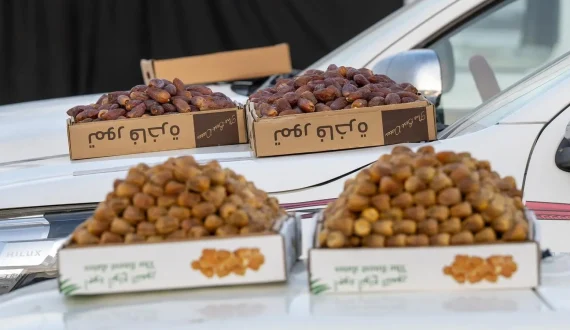
Qassim date industry expands market reach through standardised packaging
The shift from bulk pits to standardised transport/retail cartons has changed date distribution, enabling producers to supply bigger buyers, processors, exporters, retailers, requiring consistent packs for handling and display.
-
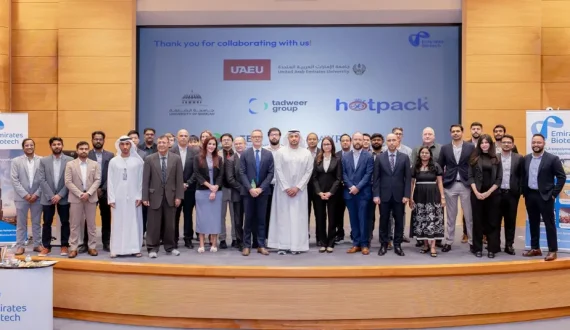
UAE University, Emirates biotech launch organic waste composting plant
Capable of processing up to 40 kilograms of organic waste once operational, the plant will be built over 6–12 months on land near the university.
-

Pakistan seeks Canadian investment in packaging, processing for Middle East food exports
The minister backed JVs to process Pakistani agricultural goods for Middle East markets, while the commerce ministry pursues investment in processing, packaging, cold storage, and certification instead of raw exports.
-
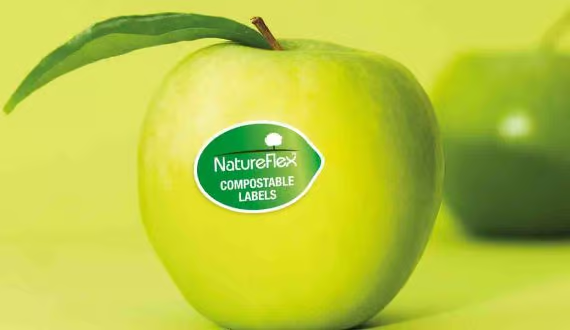
Futamura, Bio4life unveil compostable label certified for fresh produce
Using NatureFlex cellulose film from Futamura and Bio4life’s BioTAK compostable adhesive, the label, for apples, citrus, avocados, and kiwis, is certified across home and industrial composting pathways.